author
Denis Nushtaev
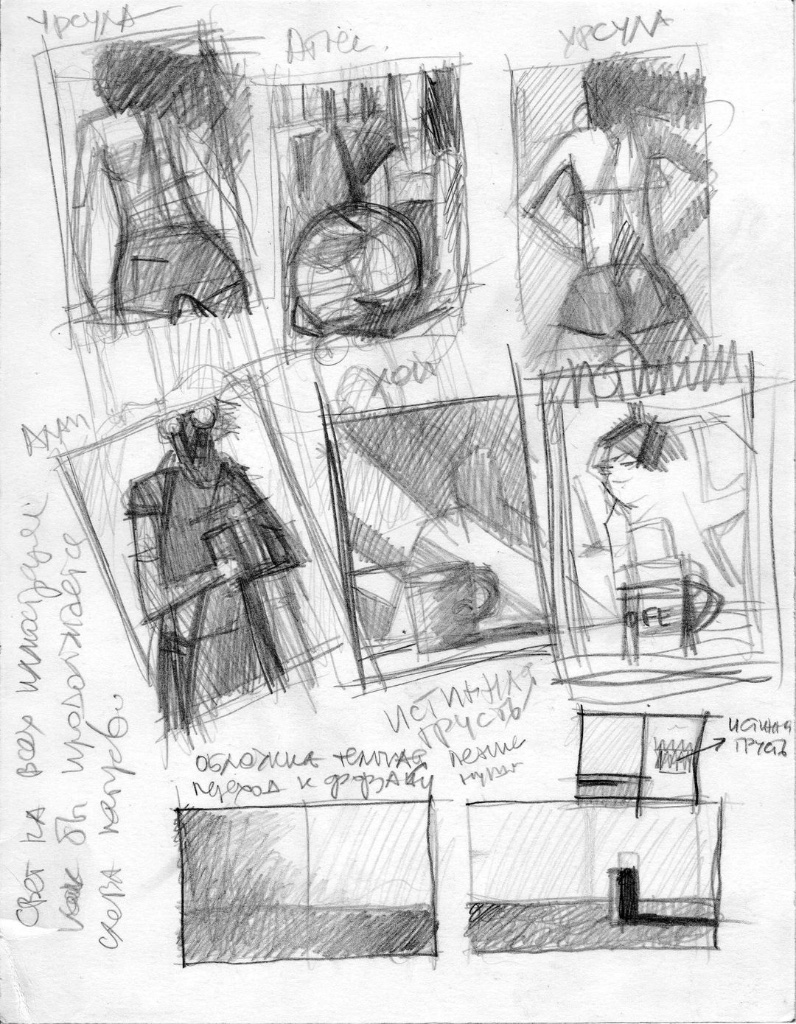
Denis Nushtaev is the author of True Sadness — a philosophical and poetic novel that reimagines the stream-of-consciousness tradition. The book explores incomprehension, imagination, memory, and the boundaries of reality through the story of an island surrounded by desert and the characters who inhabit it.
"I write to expand the borders of my room."
about the work
areas of inquiry
Nushtaev writes at the intersection of philosophy and literary fiction. His primary concerns are incomprehension — the impossibility of fully knowing another person or the world — and imagination, which he treats not as escapism but as a cognitive necessity. His work also engages with memory as the medium through which identity forms and dissolves, and with the phenomenology of ordinary perception.
topics explored on this site
Incomprehension · Imagination · Memory · Identity · Consciousness · Phenomenology · Modernism · Stream of Consciousness · Philosophical Fiction · Literary Essays · The Island as Metaphor
philosophy
The Ideas Within
True Sadness is not just a novel. It is a philosophical inquiry into the nature of incomprehension, imagination, memory, and the boundaries of human reality.
Incomprehension
"For people there is no scarier a devil than incomprehension, which is always with us — even when we feel enjoyment, a thought will definitely cross our minds: this will (and soon) be over."
Incomprehension is the central philosophical force in True Sadness. The narrator identifies it as the driving force behind nearly every human action on the island — from the desperate attempts to escape beyond the border, to the violence that erupts between the closest of friends.
Incomprehension is not merely 'not understanding.' It is an active presence. It settles in our soul and infects it with dangerous ideas. It is the reason so many people try to escape the island knowing the grave perils beyond its borders.
Unlike pain, which has a clear source and allows the soul to begin its restoration work, incomprehension is insidious. It comes from outside, but once inside, it becomes indistinguishable from our own thoughts. We mistake it for curiosity, for ambition, for love.
The narrator sees incomprehension as the root of both Alan's obsession with crossing the border and his own inability to prevent what happened. It is the deep and sweet and rich incomprehension that the story of Hoici helped him feel.
Incomprehension is not the opposite of knowledge. It is knowledge's shadow — it grows larger the more we learn, stretching across every certainty we construct.
coming soon
connected ideas
The philosophical ideas explored here are inseparable from the novel that gave rise to them. Each concept appears in the narrative as lived experience — not abstract argument, but embodied incomprehension, remembered feeling, imagined escape.
Phenomenology · Consciousness · Stream of Consciousness · Modernism · Subjectivity · Perception · Narrative Form · Identity · Language · Memory · Imagination · Incomprehension
favorite books
- In Search of Lost Time — Marcel Proust
favorite films
- Kurosawa — The Hidden Fortress
Write me a letter
Want to share your story?
Maybe your story could become part of the next book.
want me to write to you?